ENVision
Launching of ENVision
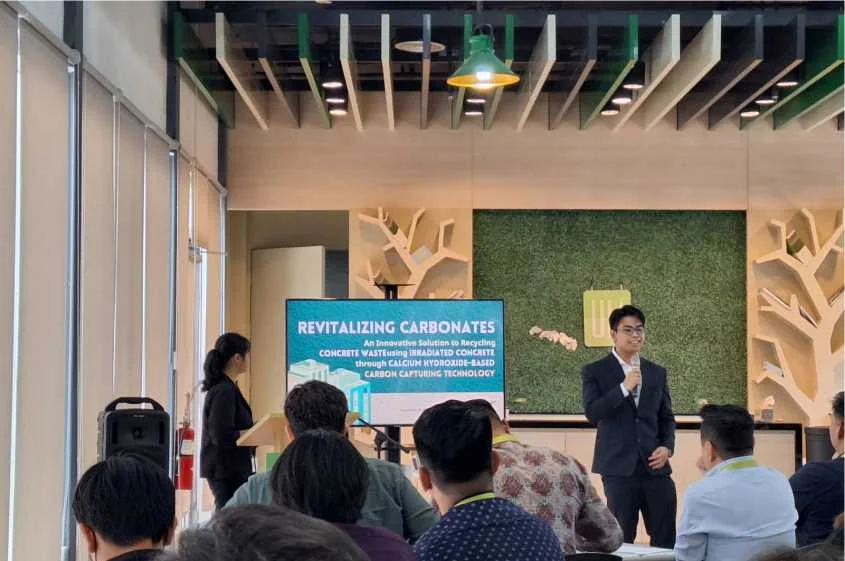
The ENVision Case Competition 2024 challenged students to address the pressing issue of “Sustainable Food Systems in Hospitality and Tourism.” Going beyond conventional recycling, participants were tasked with developing innovative strategies to establish sustainable food and waste management practices within the industry.
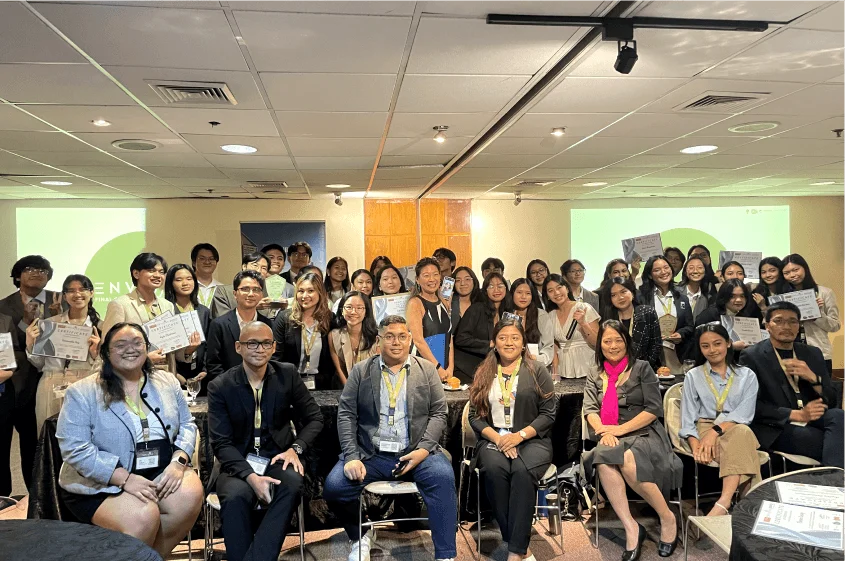
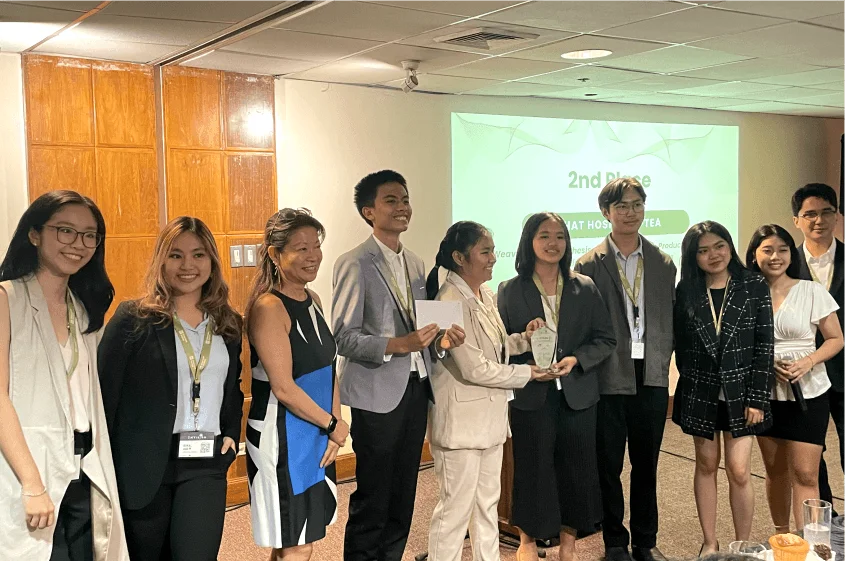
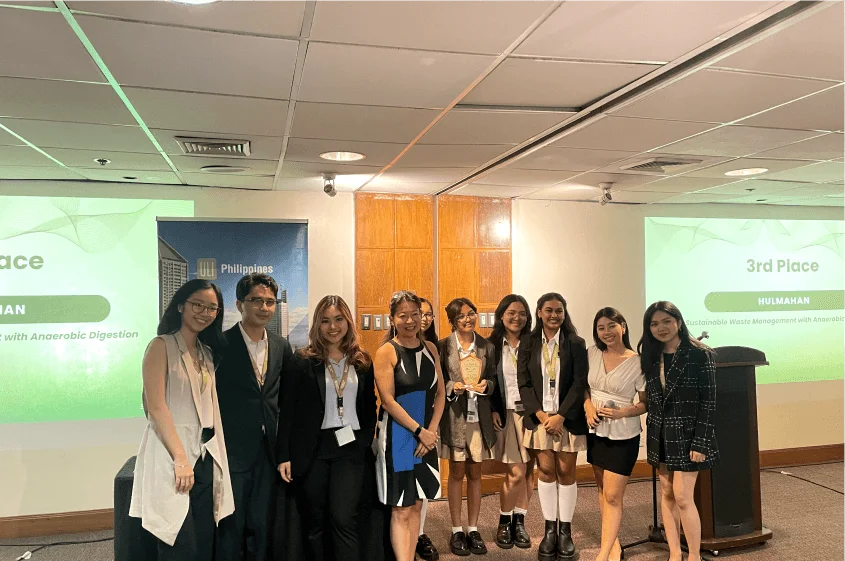
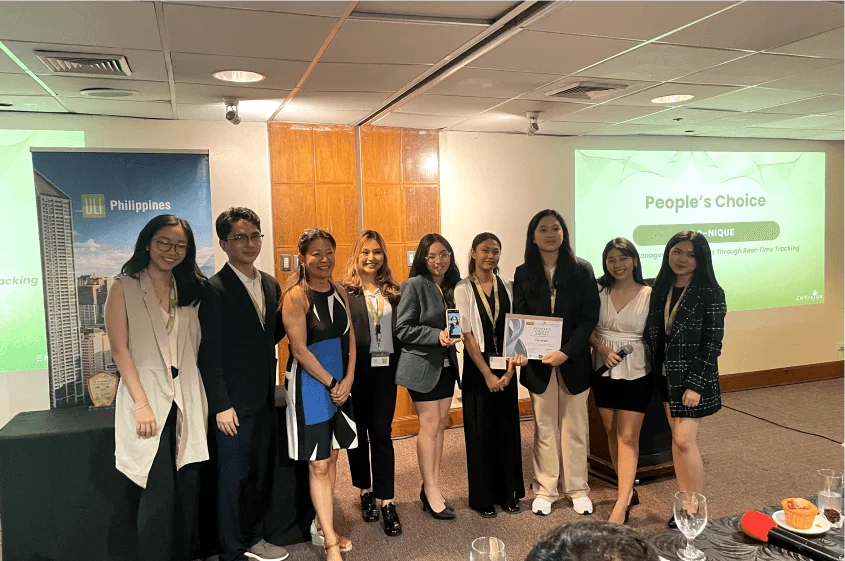
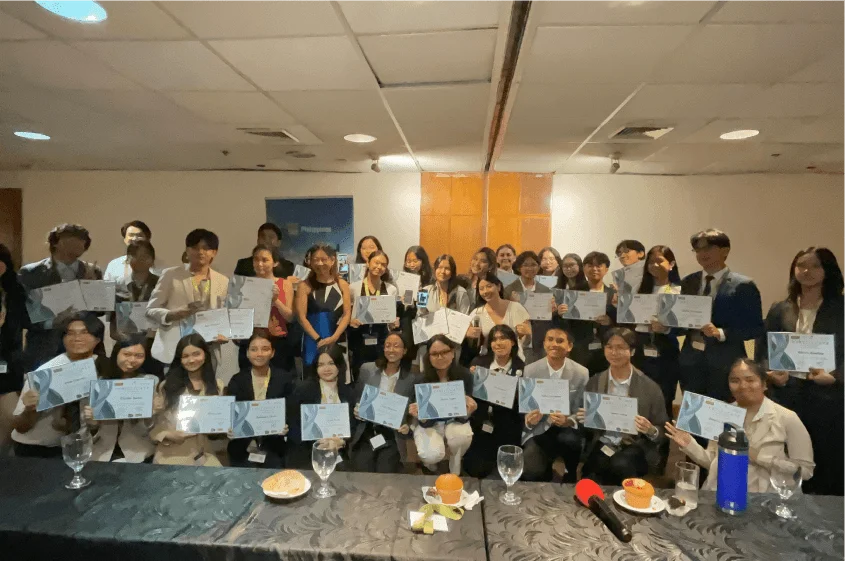
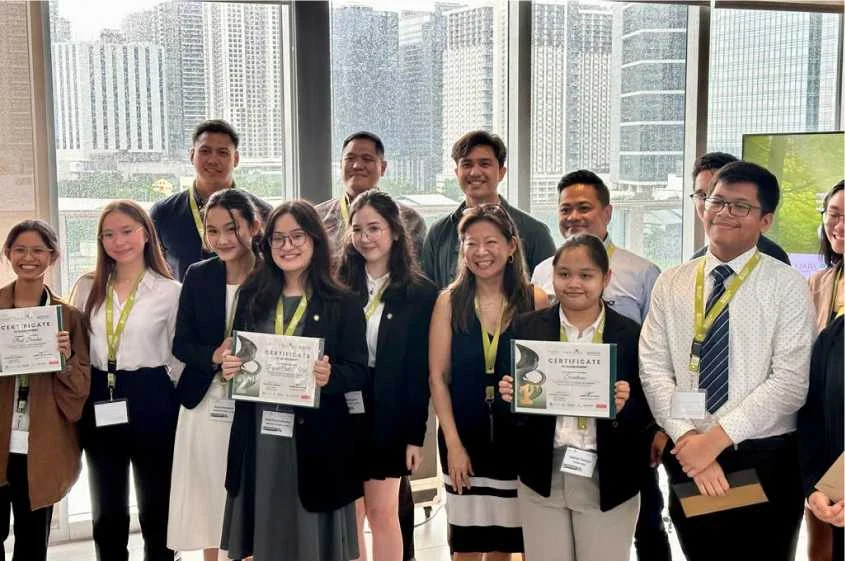
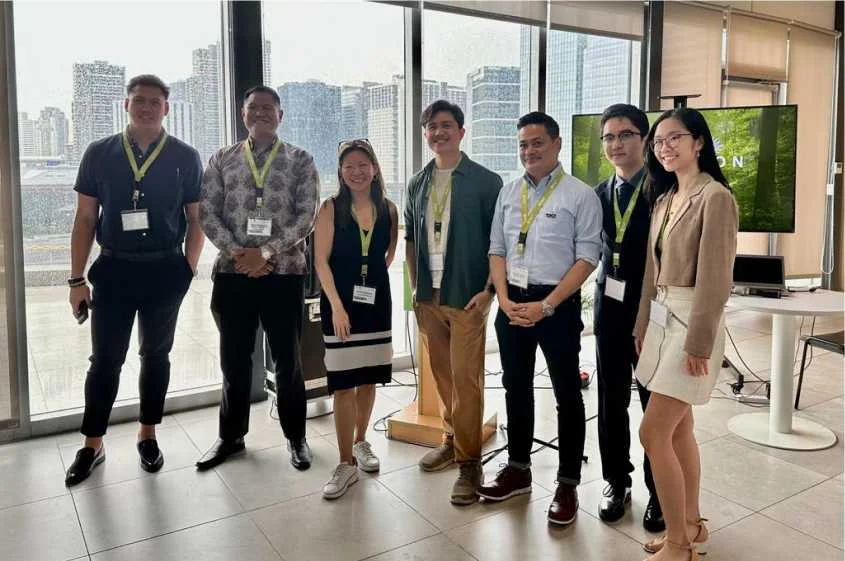
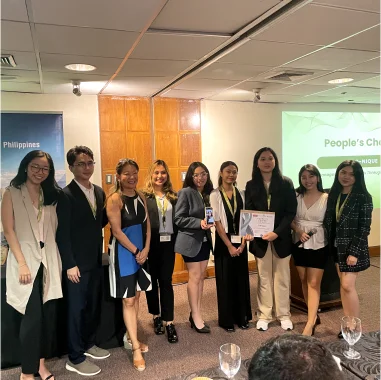
An initial turnout of nearly 150 participants resulted in 11 teams qualifying for the culminating event and awarding ceremony, which took place last 13 July 2024, at the AIM Conference Center in Makati City.
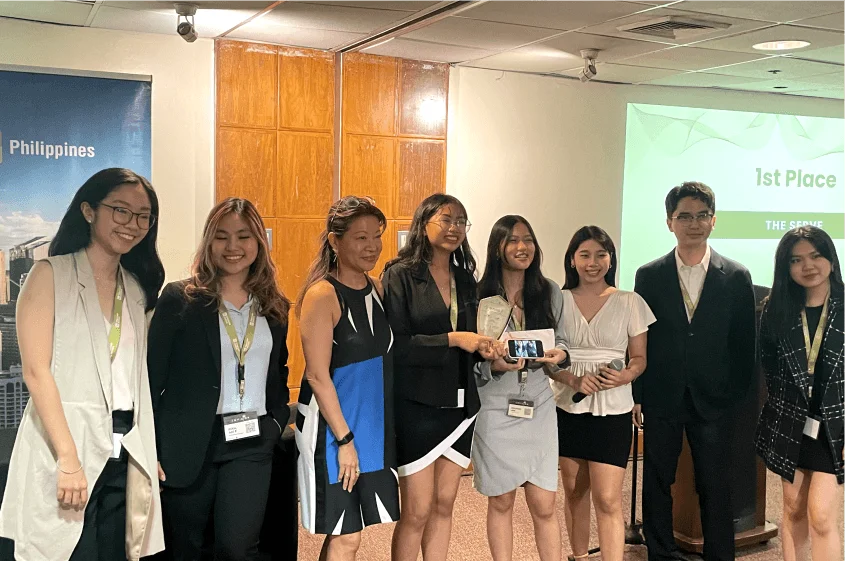
“The Serve” from Philippine Science High School Central Luzon Campus won the grand prize, which included cash prize, with their project “Power Up.” This innovative solar-powered biogas digester converts food waste into biogas, offering a practical and sustainable solution to food waste management.



ENVision 2024 (Environment Vision)
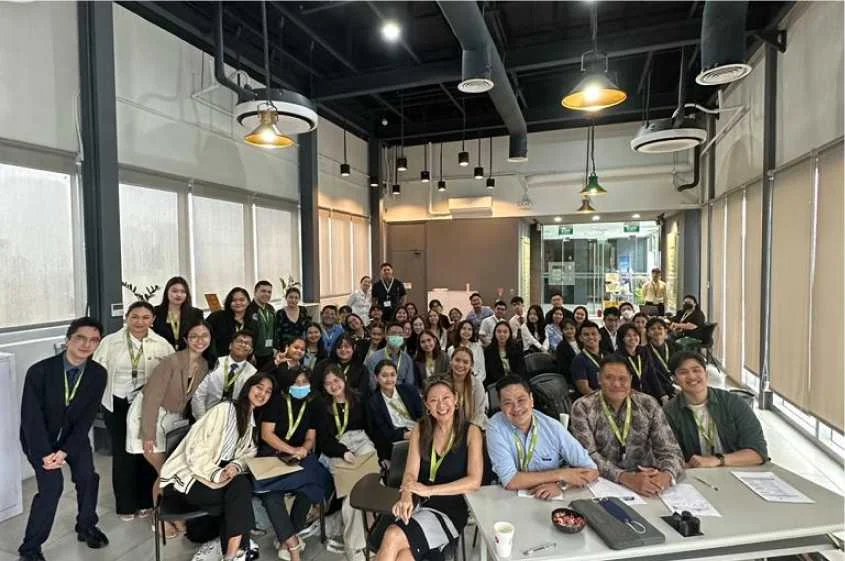
ENVision 2023
ENVision, which stands for “Environmental Vision” is a case competition that challenges high school students to formulate innovative solutions for sustainability issues in the hospitality space. It aims to inspire the next generation of change-makers to take real action toward future-proofing the tourism industry.
Theme: Climate Change Adaptation in Hospitality and Tourism
Eligibility
Current high school students in the Philippines from Grades 7-12 of school year 2023-2024 are eligible to join in teams of 1-4 members. Graduates of 2023 are also eligible. For the final round, the top 10 teams will present to the Board of Judges consisting of industry experts. There is no registration fee.
CASE DESCRIPTION
Problem Statement
Climate change has significant implications for the hotel industry, especially in the Philippines. Being a coastal country situated in the Pacific Ring of Fire, the Philippines is highly susceptible to hazards such as cyclones, floods, and landslides, all of which are exacerbated by the changing climate.
The hotel industry’s dependence on natural resources, such as energy and water, for its daily operations makes it vulnerable to uncertainties of climate change. High temperatures, changes in precipitation patterns, and extreme weather events can disrupt hotel operations as well as compromise infrastructure. Therefore, it is paramount for the hotel industry to take active measures to enhance its resilience by adapting to climate change.
The Task
The team’s task is to create a presentation to pitch to industry experts from the hotel industry a climate change adaptation solution that enhances the resilience of hotels. You may approach the climate change adaptation from a multitude of angles, including technical innovation, regulation and policy, synergies between the government and private sector players, and stakeholder engagement.
Teams may focus on one of the three areas of climate change adaptation:
- Coastal Management
- Circular Economy
- Renewable Energy
CLIMATE CHANGE ADAPTATION
Coastal Management
The Philippines has one of the longest coastlines in the world. With world- famous tourism destinations such as Siargao, Palawan, and Boracay, the coast is at the heart of supporting Filipino passions and livelihoods. How can we reimagine these coastal paradises to safeguard the interests of local communities while adapting to rising sea levels and the impacts of climate change?
Circular Economy
The circular economy concept aims to eliminate waste by optimizing the use of materials and keeping them in circulation for as long as possible. In the context of the hotel industry, this could involve implementing measures to reduce waste, such as eliminating single-use items, repurposing old items, and composting. How should hotels make use of the circular economy concept to reduce the need for extracting resources and minimize contributions to waste generation?
Renewable Energy
Renewable energy is a critical component of climate change adaptation in the Philippines because the country’s heavy reliance on fossil fuels makes it vulnerable to energy supply disruptions from extreme weather events such as cyclones and floods. Therefore, it is important to shift towards renewable energy as a way to adapt to climate change. How can can we help the hotel industry harness renewable energy effectively and reduce its reliance on fossil fuels.
Prizes
- 1st Prize: 30,000 Php in Cash and Prizes + 3D2N all expenses paid stay and participation in the hotel’s sustainability and conservation efforts.
- 2nd Prize: 20,000 Php in Cash and Prizes.
- 3rd Prize: 10,000 Php in Cash and Prizes
All winners will participate in a top hotel/tourism destination’s study tour providing an insider’s view on their sustainable practices.
Registration Guidelines
- There are no limits to the minimum and maximum number of teams from each school.
- Contestants may choose to form teams with students from different schools.
- Teams are encouraged to register as soon as possible to secure their competition slots. We are only accepting a limited number of entries.
- There is no registration fee for participants or schools.
Questions or concerns may be directed to novus.competition@gmail.com
Timeline
Participants have to attend at least one of the two workshops. These will feature
a case briefing and insights from industry experts.
| April 24, 2023 | Opening of contest registration |
| May 27, 2023 | Workshop 1 |
| May 30, 2023 | Closing of contest registration |
| June 3, 2023 | Workshop 2 |
| June 30, 2023 | Submission Deadline |
| July 15, 2023 | Announcement of Finalists |
| July 29, 2023 | Case Competition (Top 10 Finalists Only) |